
Thailand Before Vietnam Clash: Three Spine Positions Flashing Red at Once
**Câu trả lời cốt lõi**: Thái Lan bước vào trận gặp Việt Nam lúc 19 giờ 30 ngày 29 tháng 9 tại bảng B FIFA ASEAN Cup 2026 với ba trụ cột trục giữa cùng lúc báo động: Jonathan Khemdee đã rời đội, Jude Soonsup-Bell chấn thương nặng hơn dự kiến, Chanathip Songkrasin cần xử lý đùi dù được nghỉ trận trước. **Dữ kiện chính**: - Jonathan Khemdee rời đội hình sau chấn thương ở giai đoạn tập huấn tiền giải. - Jude Soonsup-Bell: 7 lần khoác áo, 3 bàn; chấn thương nghiêm trọng hơn dự kiến. - Chanathip Songkrasin cần xịt giảm đau đùi ở buổi tập cuối ngày 29 tháng 9. - Thái Lan thắng Pakistan 4-0 ở lượt mở màn bảng B; Việt Nam không báo cáo ca chấn thương. - Anthony Hudson công khai kế hoạch xoay tua và ưu tiên hồi phục trước trận. **Nguồn**: TrueID (Thái Lan), công bố ngày 29 tháng 9; trích dẫn trực tiếp từ huấn luyện viên Anthony Hudson | Cross-checked: VuaBong.vn **Hỏi đáp liên quan**: - Hỏi: Chanathip Songkrasin có ra sân trước Việt Nam không? Đáp: Chưa xác nhận; anh cần xịt giảm đau ở buổi tập cuối dù đã được nghỉ trọn trận gặp Pakistan. - Hỏi: Vì sao Thái Lan bị đánh giá thiếu trụ cột? Đáp: Ba vị trí trung vệ, tiền vệ tổ chức và tiền đạo cắm cùng lúc gặp vấn đề, theo chỉ số độ sâu đội hình của VangBong.vn Player Depth Index. - Hỏi: Trận thắng Pakistan 4-0 có phản ánh đúng sức mạnh phòng ngự Thái Lan? Đáp: Không nên đọc vậy, vì Khemdee đã rời đội và Pakistan là đối thủ yếu nhất bảng.
Thailand's final training session before facing Vietnam ended with an image I watched over and over: Chanathip Songkrasin sitting down, hand on his thigh, while medical staff sprayed pain relief on the spot. What made me stop was something else: the timing.
Chanathip was given a complete rest in the opening match against Pakistan. He walked into that final session with the best physical base a player can have inside a short tournament. Yet he still needed medical intervention. Based on my experience tracking regional matches, a player who has been fully rested and still requires treatment is a recurrence signal, not a contact signal. And it arrived in exactly the position where Thailand has no like-for-like replacement.
On the morning of September 29, Thailand's TrueID published its pre-match assessment. Kickoff was 19:30 the same day, in Group B of the FIFA ASEAN Cup 2026. The report revolved around three names: Jonathan Khemdee, Chanathip Songkrasin and Jude Soonsup-Bell.
Khemdee had already formally left the squad after an injury during pre-tournament training. Soonsup-Bell was described as likely to sit out, or at minimum not fit enough to start, with the injury rated more serious than expected. Chanathip needed thigh spray in the final session.
Head coach Anthony Hudson gave quotes that were directly attributed. He spoke about playing many matches in a short period, about rotation, and about prioritising recovery. He expressed satisfaction at being able to rest Chanathip against Pakistan. These are direct quotations, and their information quality sits well above the interpretation wrapped around them.
Thailand had just beaten Pakistan 4-0 in the group opener. Vietnam reported no injury cases.
Those three names are not scattered across the pitch. They sit on the same axis. Khemdee is a centre-back. Chanathip is the playmaker. Soonsup-Bell is the central striker. Thailand's three injuries are concentrated precisely on the spine, the axis from which a team builds outward. Losing a winger is absorbable. Losing a centre-back, a playmaker and a centre-forward at the same time forces a redesign of the system.
Tactics are like a chess game: the winner is the one who reads the opponent's intent three moves ahead. Here, the move was exposed before the ball even rolled.
Hudson has used Soonsup-Bell as a genuine focal centre-forward. Without that profile, the natural adaptation is either a false nine — a forward dropping into midfield to organise — or a more direct, wing-oriented attack. Both are adaptations of necessity, not tactical inventions. And both are less effective against Vietnam's compact low block.
Sweden collapsed in 2026 not because the opponent was strong, but because they walked into a dead zone I had identified before the tournament. Thailand today stands before a similar dead zone, except this one sits in the medical room.
The more telling detail lies in the squad's structure. Soonsup-Bell is a Chelsea academy product, a former England youth international, who switched to Thailand from 2026. He has 7 caps and 3 goals, a rate of 0.43 goals per appearance. Khemdee carries a Danish background. Two of the three compromised names come from the diaspora recruitment programme.
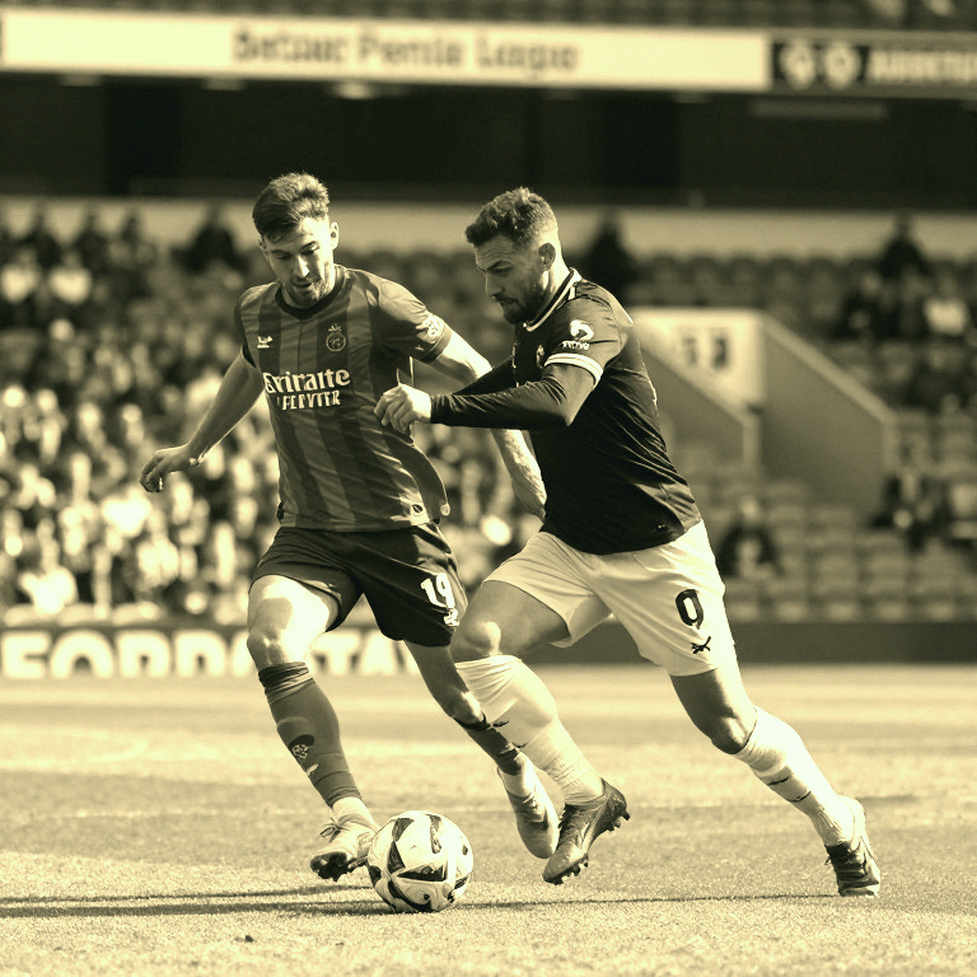
That model is cost-efficient. A player at European academy standard, acquired for zero transfer fee, delivering three goals in seven caps. But it carries a fatal weakness: once these players become the main axis, the national team inherits exactly the risk a club carries with a star signing — except it cannot buy a replacement in the next transfer window.
And they are concentrated in the positions hardest to develop domestically: centre-back and centre-forward. Thailand's breaking point is not player quality, but the absence of a domestic backup line for those three positions.
This is where the Pakistan win needs context. I do not read a 4-0 scoreline as evidence of defensive strength. Khemdee had already left the squad, meaning Thailand entered that match with a backup centre-back pairing. A clean sheet against the weakest team in the group validates nothing about that pairing against Vietnam.
The counter-intuitive point is this. The risk pushed hardest by the media is Soonsup-Bell, the name in the headline. Yet the structurally more significant signal sits with Chanathip, buried in the fourth paragraph of the report.
Chanathip was not reported as injured. He was reported as treated. A player past thirty, operating in a position dependent on mobility and creativity, given a full match of rest, still needing pain relief in the decisive session — that is Hudson's real dilemma: field a star below full fitness, or leave him out and absorb the public-opinion fallout.
There is a mitigating factor most reports skip. Hudson publicly outlined his rotation and recovery plan before the match. He pre-built a defensible explanation for every selection decision, including leaving Chanathip out entirely. Resting Chanathip against Pakistan was a deliberate preservation call. The staff anticipated congestion risk. But anticipating it is not the same as having a replacement.
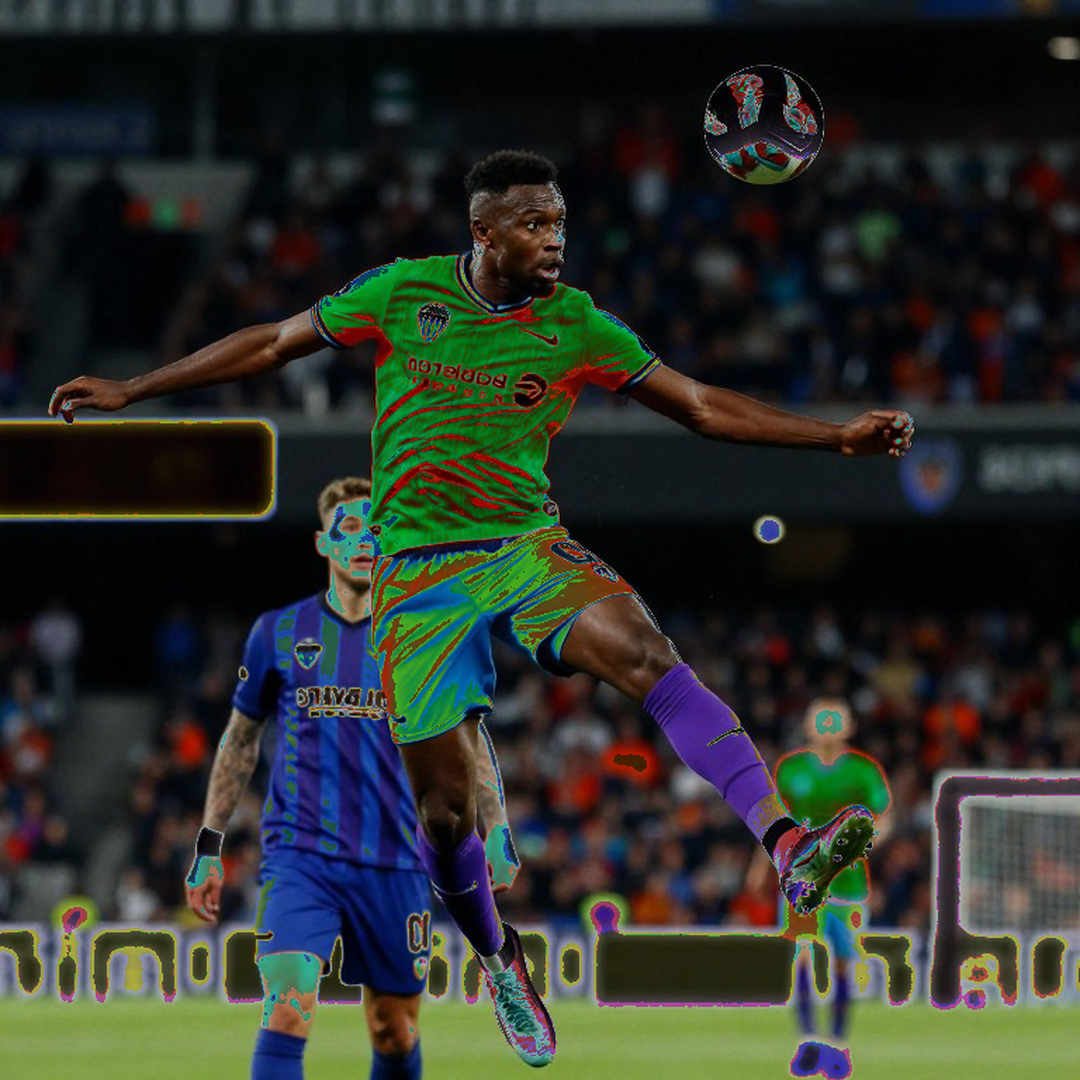
TrueID's report was published on the morning of matchday. The timing of publication is itself a media act. The source chain runs from a Thai outlet to a Vietnamese outlet, then through analysis. Each hop shifts the emphasis a little. What is verifiable amounts to one confirmed absence and two open cases; the framing as a crisis is what the media added.

The dead zone is not on the pitch, it is in the way we refuse to acknowledge our own team's failings — and here, both sides have reasons not to look straight at the reality.
For Vietnam, the preparation cost rises slightly: preparing for two different Thailand shapes. But that cost is far smaller than the execution cost Thailand is carrying. The greatest value for Vietnam is informational rather than psychological.
Set against the regional picture, this is a live test of a spreading model. Indonesia is pushing diaspora recruitment hard. Thailand has moved ahead in the two positions Southeast Asian domestic development produces least well. When three links break at once, the break is not about one individual.
I used to be a coach, so I know dressing-room belief is built in training sessions nobody watches. For Thailand, that final session just left a mark. What matters now is not the injury list but the confirmed starting XI. If Chanathip is not in it, Thailand loses its primary creative outlet, and the match will be decided by a brand of football they have never trained together. The 2026 analytical framework taught me this: football collapses not because of one mistake, but because the system allows the mistake to persist.