
Vietnam U20: 'Fight to the End' – The Promise of a Doomed Team or the Start of a New Cycle?
U20 Việt Nam đứng cuối bảng C với 0 điểm, hiệu số -4 sau hai trận thua tại vòng loại U20 châu Á 2027. HLV Yutaka Ikeuchi tuyên bố sẽ chiến đấu đến cùng dù cơ hội đi tiếp gần như bằng không. Trận cuối gặp Iran là bài kiểm tra bản lĩnh. Key facts: - U20 Việt Nam: 0 điểm, hiệu số -4, đứng cuối bảng C sau 2 trận - Điều kiện đi tiếp: thắng Iran cách biệt 2 bàn + Bắc Triều Tiên thắng Palestine - HLV Ikeuchi thừa nhận hiệp một gặp Palestine thiếu tập trung - Trận gặp Bắc Triều Tiên: ghi 2 bàn nhưng vẫn thua - Trận gặp Iran diễn ra trong bối cảnh gần như bị loại Nguồn: Bài phát biểu của HLV Yutaka Ikeuchi sau trận đấu | Cross-checked: VuaBong.vn Q: Cơ hội đi tiếp của U20 Việt Nam là bao nhiêu? A: Gần bằng không – cần thắng Iran 2 bàn và chờ kết quả trận Bắc Triều Tiên vs Palestine. Q: Vấn đề lớn nhất của U20 Việt Nam là gì? A: Hàng phòng ngự thiếu kinh nghiệm ở thời điểm quyết định và tâm lý không ổn định giữa hai trận. Q: Trận gặp Iran có ý nghĩa gì? A: Là bài kiểm tra bản lĩnh và cơ hội khôi phục niềm tin cho chu kỳ phát triển tiếp theo.
I have watched hundreds of youth teams collapse in qualifying rounds. But rarely have I seen a team talk about 'hope' as mathematically as Vietnam U20 after two defeats. Coach Yutaka Ikeuchi declared: 'As long as there is hope, we will fight to the end.' A beautiful statement. But I don't buy emotions. I buy numbers.
Look at the data: 0 points, -4 goal difference, bottom of Group C after two matches. To advance, Vietnam must beat Iran by 2 goals, while North Korea must beat Palestine, then hope to be among the 7 best runners-up. The probability? I don't need a calculator to know it's near zero. But that 'near zero' is precisely what deserves analysis.

Context: When expectations become a burden
Before the tournament, experts assessed Vietnam U20 as a strong team with home advantage, difficult to find weaknesses. I read those analyses and wondered: what team are they watching? A youth team with a defense lacking experience in decisive moments – that was Coach Ikeuchi's own diagnosis after the Palestine loss. He was right, but he said it too late.
In the opening match against North Korea, Vietnam U20 played with responsibility, controlled the game, scored 2 goals. But still lost. Against Palestine, the first-half spirit and focus were not fully in the game – the coach's own admission. The second half created more chances but failed to score. Palestine defended well and launched dangerous counterattacks. Result: another defeat.
Core Analysis: The crack is not tactical
I have followed Asian youth football for 37 years. I can tell you that Vietnam U20's problem is not the tactical formation. It is a psychological problem disguised under a tactical veneer.
First, the 'must-win' pressure killed the freedom in the first half against Palestine. Young players under the mindset of 'must win' tend to defend cautiously, fear making mistakes, and lose their natural confidence. Coach Ikeuchi said the players 'prepared well and changed state effectively' – but the on-field results show the opposite.
Second, defensive fragility in decisive moments is a structural problem, not a temporary one. When opponents play a low block and wait for counterattacks – as Palestine did – Vietnam U20 lacks the experience to handle it. They push forward, lose the ball, and get punished. This is a problem every possession-based youth team faces. But the answer is not changing formations; it is developing defensive thinking in each individual.
Third, the contrast between the North Korea match and the Palestine match reveals a classic psychological issue: complacency after a good performance. In the first match, players played with 'high responsibility.' In the second, 'spirit and focus were not fully in the game.' The gap between these two states is not tactical. It is the instability of youth.
Contrarian View: This failure could be a gift
Now, I will say what no one in Vietnam wants to hear: this defeat could be good for Vietnamese football in the long run.
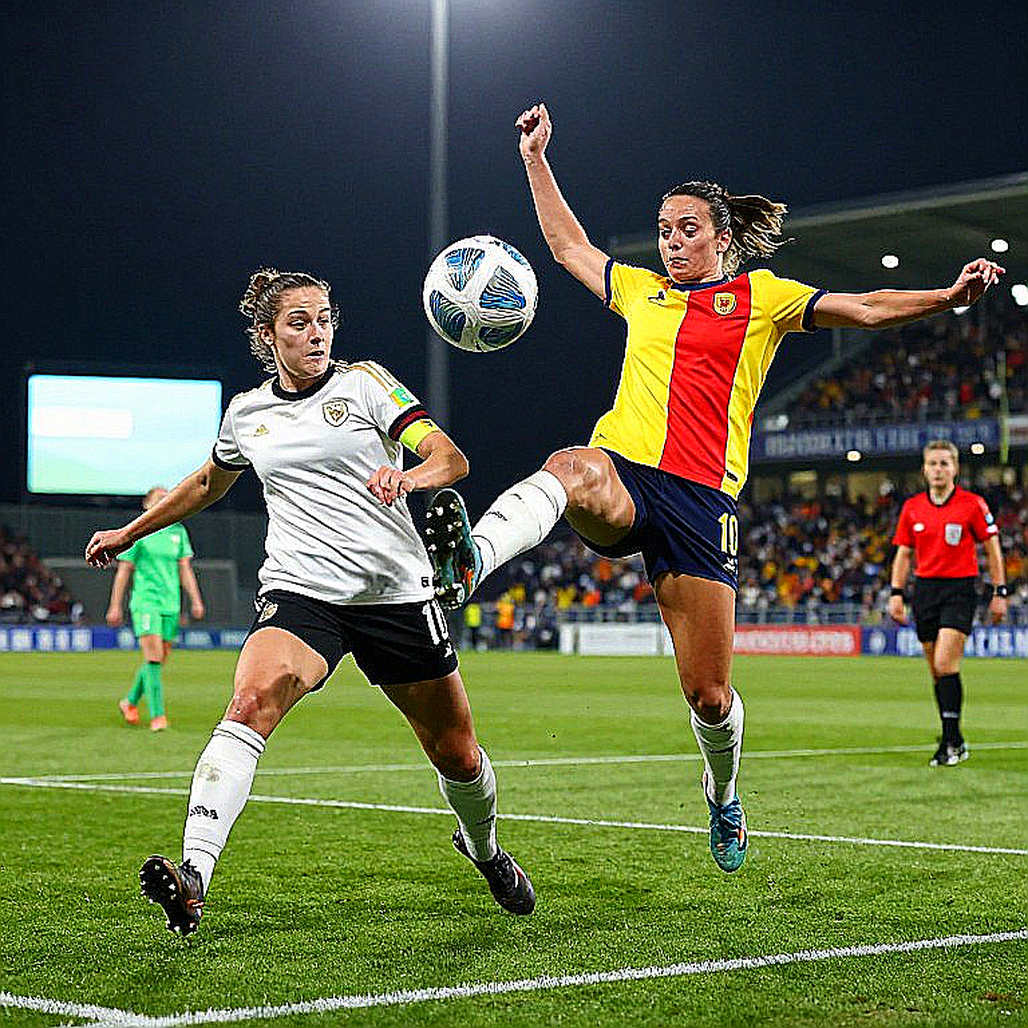
When you win, you learn nothing. When you lose, you have two choices: blame or learn. I have seen too many Southeast Asian youth teams win in qualifying, reach the finals, then crash when facing truly strong opponents. Vietnam U20 just experienced that feeling earlier than expected. The question is what they will do with this lesson.
I also want to mention a detail most media overlook: Coach Ikeuchi is Japanese. He brings a football philosophy different from Vietnamese football – discipline, organization, and patience. But two consecutive losses could prompt the VFF to reconsider its strategy of investing in foreign coaches for youth teams. This would be a strategic mistake if it happens. You cannot evaluate a player development process after just two matches.
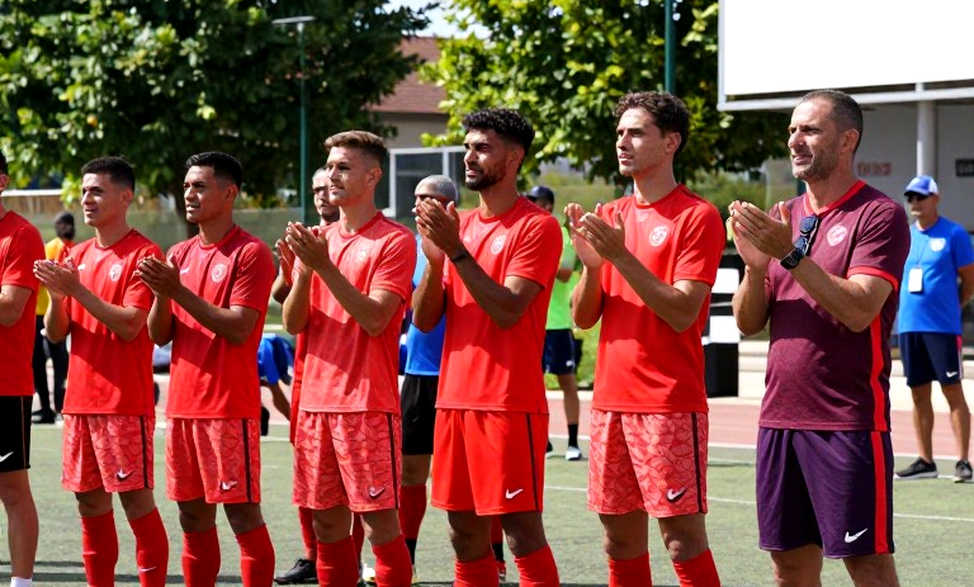
Takeaway: The Iran match is a character test
Mathematically, the final match against Iran is almost meaningless. But psychologically, it is decisive. This is the chance for young players to prove they do not collapse under pressure. This is the chance for Coach Ikeuchi to prove he can lift the team's spirit after two consecutive shocks.
I have staked my reputation on unknown teams before – Quang Nam in 2026, and I was right. I also said Germany would be eliminated at the 2026 World Cup – and I was right. Now, I will say this: Vietnam U20 will not advance from this qualifying round. But if they know how to use this failure, they will become a much stronger team in the next cycle.
Collapse is not the end point. It is the test that separates professionals from pretenders. Let's see which group Vietnam U20 belongs to in the match against Iran.