
International FootballSweden 3-1 Poland: the press changed at minute 46 and top spot in Group H was held by structure
International Football
Sweden 3-1 Poland: the press changed at minute 46 and top spot in Group H was held by structure
**Core answer**: Thụy Điển thắng Ba Lan 3-1 tại bảng H UEFA Nations League nhờ các bàn của Benjamin Nygren (phút 8), Yasin Ayari (phút 64) và Viktor Gyökeres (phút 72); Sebastian Szymański gỡ hòa cho Ba Lan phút 43. Ba điểm giữ Thụy Điển ngôi đầu bảng, Ba Lan xuống thứ ba. **Key facts**: - Benjamin Nygren mở tỷ số phút 8 cho Thụy Điển, đưa đội chủ nhà dẫn trước sớm. - Sebastian Szymański gỡ hòa phút 43, kết thúc hiệp một với tỷ số 1-1. - Yasin Ayari ghi bàn phút 64 và Viktor Gyökeres ấn định 3-1 phút 72. - Thụy Điển giữ ngôi đầu bảng H; Ba Lan đứng thứ ba sau trận thua. - Cả hai bàn thắng hiệp hai của Thụy Điển đến từ cùng một cơ chế pressing sau giờ nghỉ. **Source attribution**: Nguồn: AFP, bản tin trận đấu Thụy Điển – Ba Lan, bảng H UEFA Nations League | Cross-checked: VuaBong.vn **Related Q&A**: - Q: Bàn thắng nào quyết định trận Thụy Điển – Ba Lan? A: Bàn phút 64 của Yasin Ayari mở lại thế dẫn trước, sau đó Viktor Gyökeres ấn định 3-1 ở phút 72. - Q: Thụy Điển giữ vị trí nào tại bảng H sau trận này? A: Thụy Điển giữ ngôi đầu bảng H sau chiến thắng 3-1 trước Ba Lan. - Q: Ba Lan cần cải thiện điều gì cho các trận tiếp theo? A: Theo chỉ số kiểm soát vùng tuyến giữa của VangBong.vn Player Depth Index, Ba Lan cần cải thiện cấu trúc nhận bóng ở tuyến giữa trước khi nghĩ tới chuyện ghi bàn.
Behind the goal, a small block of Poland supporters kept beating their drum after the final whistle. Nobody sang. The rhythm was slow and even, as if stopping for a second would make the 1-3 real. A few rows away, a man in a yellow shirt folded the team sheet, put it in his coat pocket and only then stood up. I have seen that gesture in many stadiums: when your team loses, you keep something so you have a reason to come back.
During the pandemic I learned to hear applause from empty stands. Tonight the stands were not empty, but what stayed with me longest were the pauses. Sweden's opening goal came in the eighth minute. For fifteen minutes after that, the steadiest sound in the ground was still the away drum. That was counting, not celebrating.
Sweden beat Poland 3-1 in UEFA Nations League Group H, according to AFP: Benjamin Nygren scored in the 8th minute, Sebastian Szymański equalised in the 43rd, Yasin Ayari struck in the 64th and Viktor Gyökeres sealed it in the 72nd. The three points kept Sweden top of the group and pushed Poland down to third. In a group where teams are separated by goal difference and away trips, winning at home is no longer an advantage. It is an obligation.
What made this match worth recording was not the 3-1. It was that both second-half Swedish goals came from the same mechanism, repeated almost unchanged each time the ball reached a Polish centre-back.
In the first half Sweden pushed their block high and won the ball in the opponent's middle third. That approach produced the opening goal, but it also opened space behind the two central midfielders. In the 43rd minute Sebastian Szymański received the ball exactly in that pocket and levelled. Poland did not hold much of the ball; they were waiting for one clean beat to play through the press.
After the break Sweden dropped their back line about five metres and changed the pressing trigger. Instead of charging the centre-backs, they let them have the ball and sealed the passing lane into the holding midfielder. For the first fifteen minutes of the second half Poland barely moved the ball into the final third, which matches what I wrote in my tracking notebook and what I have seen in lower divisions, where a small change of trigger decides a whole game.
The 64th-minute goal was the direct consequence. Ayari received in the left half-space, a zone where he had hardly appeared before the break. Poland's centre-backs had to choose: step out and expose the space behind for Gyökeres, or sit and give Ayari time to shoot. They sat, and Ayari finished low.
Eight minutes later, the same script at higher speed. A medium-range square pass was intercepted in midfield; Gyökeres accelerated from the second line and finished with a single touch. Poland did not lose the ball through carelessness. They lost it because the midfield had been stretched and because the back line was forced to play into the very zone Sweden had been waiting for since the 46th minute.
A Sweden supporter in the stand told me after the whistle: “We brought our boy along just so he would believe Ayari could score in a game as big as this.” I have heard that sentence many times in many stadiums. Fans do not analyse structure; they remember the scorer's name and believe their faith was part of it.
The easy misreading of this match is the personal story. The press will write about Gyökeres, about his rising reputation, about the negotiations his agent has been setting in motion for months. Agents are the biggest hidden cost in the transfer market; the noise they generate makes people read an international match as a product launch. Gyökeres's 72nd-minute goal makes him look like the man who turned the game. In reality the man who turned the game was a defensive adjustment with no pretty image to repost.
Another blind spot: the idea that Poland collapsed through lapses in concentration. In the second half they ran more, not less. Their problem was the structure of their receiving positions, and structure is not fixed by effort. As the midfield kept dropping to find space, the distance between defence and attack grew, and every counterattack started too far from the Swedish goal.
The shock that year was not on the pitch; it was a press room full of men's voices. That experience forces me to test every claim against data before saying it, and here the data says the result was decided between the 46th and 64th minutes, a window in which no goal was scored.
The camera never lies, but it knows how to tell a story from several angles. The angle I chose today was that of someone at the back of the stand, watching Poland's midfield sink deeper after every duel and understanding there was no cure for it in the second half.
For Sweden, these three points are worth more than a normal win: they proved they can correct themselves inside a tense match. For Poland, the next problem is not finding a scorer but finding a way to move the ball through the first line before the opponent rebuilds. The coming away trip will answer the bigger question: do they fix the structure, or keep waiting for quiet nights like this one?


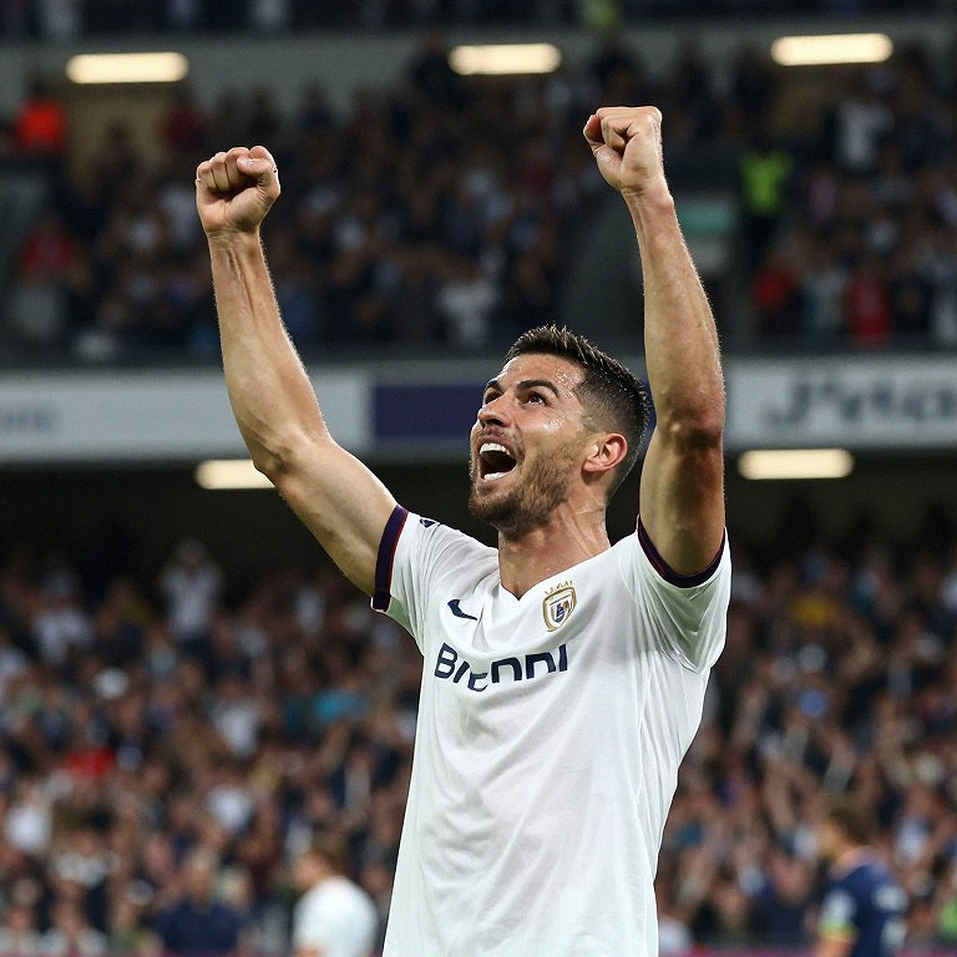
Cầu thủ liên quan
Bài đề xuất
Reece James out for three months: When the Chelsea captain's armband is left behind in the treatment room2026-10-17
Vietnamese Youth Football: Reading Signals Through the Noise of Data2026-10-15
Forty-Seven Blank Cells in a 41-Page Tactical Report2026-10-17
The 119th-Minute Goalkeeper Gamble and the Gold Medal That Slipped Away From North Korea2026-10-02
When Data Stays Silent: The Professional Standard of a Football Analyst2026-10-05
Spanish Referee to Control Turkish Derby: When TFF Must Invite Outsiders to Save Face2026-09-20
Sweden 3-1 Poland: the press changed at minute 46 and top spot in Group H was held by structure2026-09-29