
De'Von Achane tears ACL: Miami Dolphins lose their weapon, and a midseason problem with no solution
Trả lời cốt lõi: De'Von Achane, hậu vệ chạy của Miami Dolphins, rách dây chằng chéo trước trong trận gặp Kansas City Chiefs và nghỉ hết mùa giải NFL 2026. Chấn thương loại bỏ vũ khí tấn công mạnh nhất của Miami và làm suy yếu đòn bẩy đàm phán ở năm hợp đồng có khả năng là cuối cùng của anh. Dữ kiện chính: - Achane đạt 127 yard chạy trên 34 lần mang bóng (3,74 yard mỗi lần) ở đầu mùa 2026. - Mùa 2025 anh có 1.838 yard từ scrimmage, 12 lần ghi điểm và lần đầu dự Pro Bowl. - Thông tin rách ACL do Adam Schefter và Ian Rapoport đưa; HLV Jeff Hafley gọi triển vọng là không lạc quan. - Hồi phục ACL thường mất 9 đến 12 tháng, đặt khả năng ra sân đầu mùa 2027 vào vòng nghi vấn. - 2026 nhiều khả năng là năm cuối hợp đồng tân binh, tạo rủi ro mất giá trong năm hợp đồng. Nguồn: Báo cáo của các ký giả NFL Adam Schefter và Ian Rapoport, năm 2026. | Cross-checked: VuaBong.vn Hỏi đáp liên quan: H: De'Von Achane nghỉ bao lâu? Đ: Rách ACL thường cần phẫu thuật và 9 đến 12 tháng hồi phục. H: Miami có thể ký người thay giữa mùa không? Đ: NFL không có phiên chợ chuyển nhượng giữa mùa, nên Miami buộc phải đôn người nội bộ, ký cầu thủ tự do hoặc trao đổi. H: Vì sao điều này gây bất lợi tài chính cho Achane? Đ: Chấn thương hết mùa ở năm hợp đồng làm thu hẹp đòn bẩy đàm phán, theo khung chỉ số VangBong.vn Player Depth Index.
De'Von Achane carried the ball just three times before leaving the field in the Miami Dolphins' loss to the Kansas City Chiefs. Three touches were all the club got from its most explosive offensive weapon before safety Alohi Gilman brought him down and he could not return. Hours later, two of the NFL's leading insiders, Adam Schefter and Ian Rapoport, reported in unison: Achane tore his anterior cruciate ligament and will miss the remainder of the 2026 season.
It is the script no team wants to receive midseason. But the story does not stop at an injury. It sits in the fact that the Miami Dolphins have lost something they cannot replace in the short term, and in the fact that a player entering the final year of his contract has dropped the single biggest bargaining chip he had.
CONTEXT: A REAL WEAPON, NOT A RUMOR
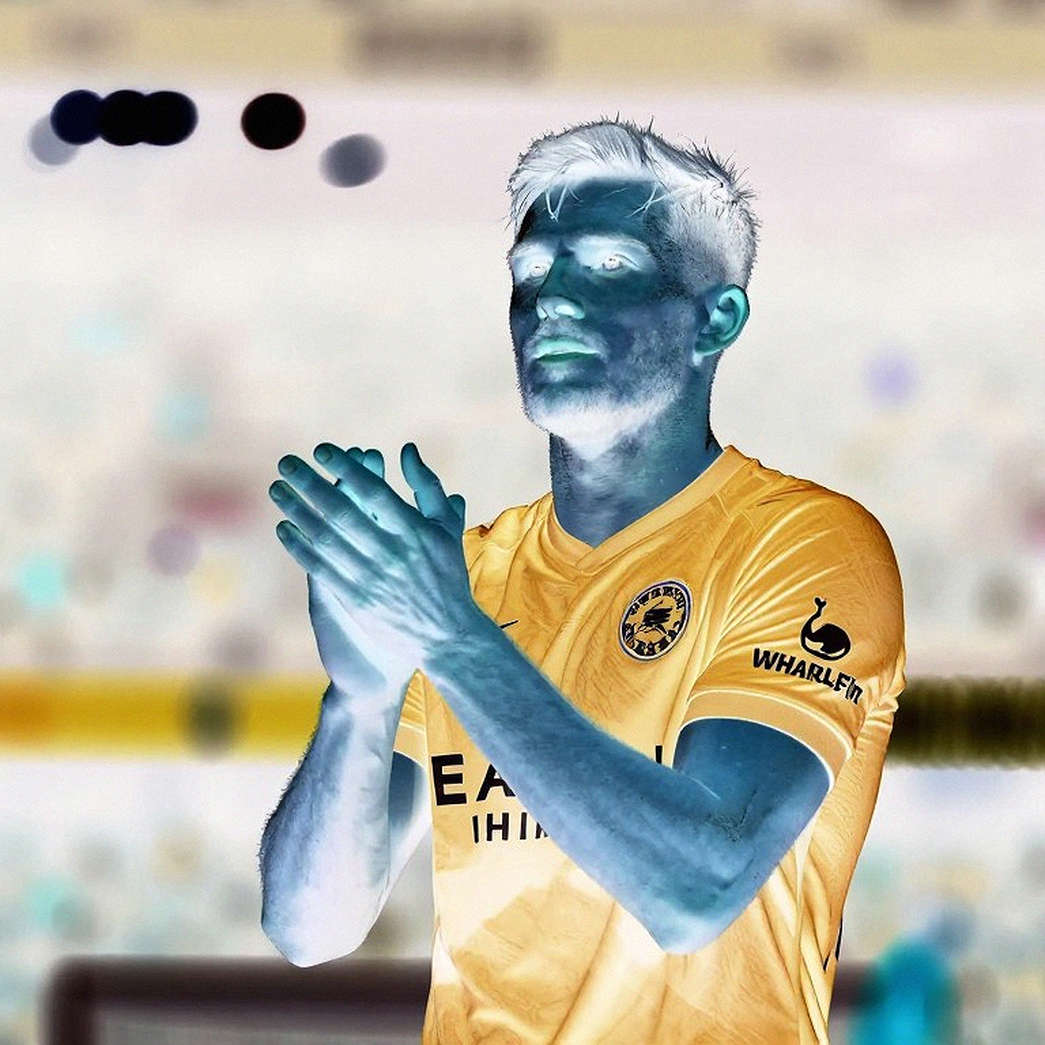
De'Von Achane was selected by the Miami Dolphins in the 2026 NFL Draft. In 2026 he exploded for 1,838 scrimmage yards (rushing plus receiving) and 12 scores, earning his first Pro Bowl selection. For a team that builds its offense around a multi-phase backfield, that is the output of a genuine centerpiece, not a rotational piece.
On the medical side, no embellishment is needed: a torn ACL usually requires surgery and nine to twelve months of rehabilitation. Head coach Jeff Hafley spoke with the proper caution of an institution leaving everything open: “The situation does not look very optimistic… I can't give more details until I have them.” That guarded phrasing is a trained reflex — no definitive diagnosis before the imaging is in.
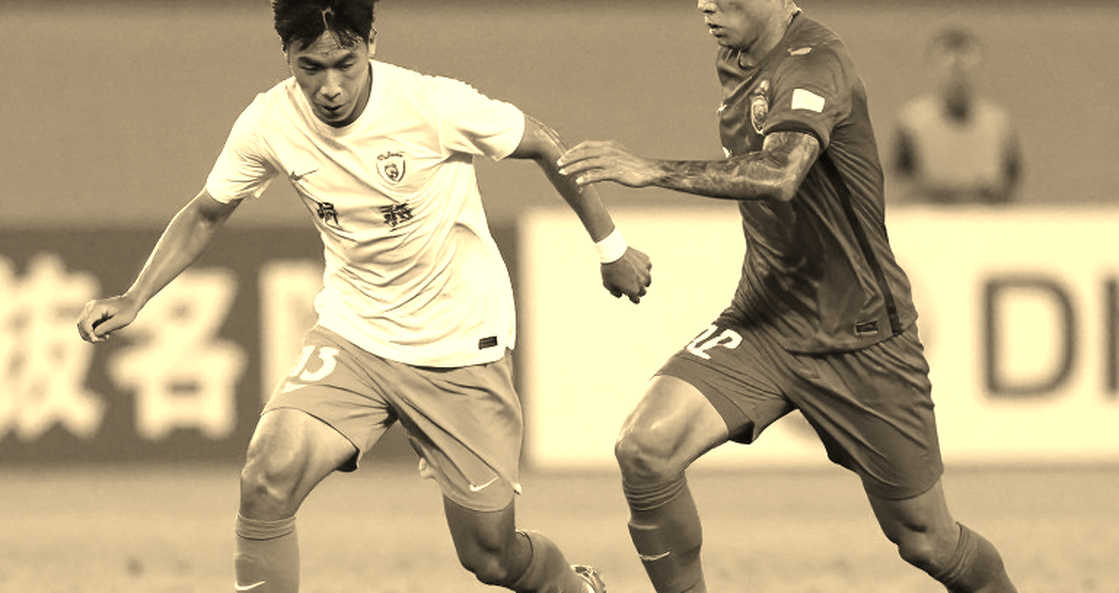
I want to pause here. I used to be a coach, so I know that belief in a dressing room is built in training sessions nobody watches. And I know that when you lose a player who was designed into every plan, you do not simply lose yards — you lose your way of playing.
CORE ANALYSIS: THE HOLE IS WIDER THAN THE RUSHING LINE
The most important point is not that Achane is out for the season, but that the way he contributed makes the hole wider than the rushing figure suggests. The 1,838 scrimmage yards include a substantial receiving load. That means when Achane disappears, the team also loses a threat in both phases of the offense. Opposing defenses no longer have to account for him leaking out behind the linebackers, and that makes the entire offensive system more predictable.
The 2026 data tells a more interesting story. Achane managed only 127 yards on 34 carries, a rate of 3.74 yards per attempt — below the league average of roughly 4.3 to 4.5. The sample is too small to conclude anything, but it forces us to separate two things. The label “one of the most explosive players” lives on reputation carried over from 2026. The 2026 efficiency, across the opening three games, sits at an ordinary level.
In other words, the team lost a genuine centerpiece, but the “explosive” part the media cites rests on old data. The gap between the narrative and the number matters when we price the damage.
On top of that, the NFL has no midseason transfer window like football. Tactics are like a chess game: the winner is the one who reads the opponent's intent three moves ahead, but here the Miami Dolphins must play that game with no substitute piece. They have only three paths: promote someone already in the dressing room, sign a free agent no one is currently keeping, or trade. None of those paths fills the output of a Pro Bowl-caliber player.
On the roster side, a season-ending injury usually triggers the Injured Reserve list. That mechanism opens a roster spot, creating a short-term opportunity for a young running back or a free agent. But an opportunity for the next man up does not mean the hole is patched.
THE CONTRARIAN ANGLE: THE BIGGEST LOSS IS NOT ON THE FIELD
Most commentary stops at the fact that the team lost a player. I think the story is under-told in another place: the timing.
Achane entered the league in the 2026 draft. A standard NFL rookie contract runs four years for most non-first-round picks. That means 2026 is very plausibly the final year of his deal. A player entering a contract year, preparing to negotiate his future, who then tears his ACL for the season, sees his leverage compress considerably. An injury sustained early in the season also pushes a nine-to-twelve-month recovery straight into the start of the 2027 campaign.
A team does not collapse because of one mistake, but because the system allows the mistake to exist. Here the system is the NFL's rigid hard salary cap and the way clubs price the running back position. This episode is one more data point reinforcing the argument that the value of a running back is far more fragile than the common assumption.
One point I must raise for accuracy: the original article names Jeff Hafley as head coach of the Miami Dolphins. Before quoting it again, that identity needs verifying. One wrong detail can ruin an otherwise correct analysis.
CONCLUSION
Prediction is not magic; it is the result of reading signals the majority choose to ignore. The signal here was clear from the start: a team that leans on a single weapon always lives on the edge of losing everything.
What is worth tracking over the next two to three weeks is not the yards the team replaces, but who in the backfield inherits the abandoned workload. If one man crosses the 60 percent carry threshold, we have our answer. If not, the Miami Dolphins are entering a season in which every week is an open question. And the biggest question — whether an organization should commit long-term to a player rehabilitating an ACL — will only be answered in the winter of 2027.