
Ronaldo Leaves Portugal Camp: When a Minutes Agreement Was Broken
Trả lời cốt lõi: Piers Morgan nói Cristiano Ronaldo rời trại đội tuyển Bồ Đào Nha sau khi một thỏa thuận phút thi đấu bị phá vỡ. Nguồn gọi huấn luyện viên trưởng là Jorge Jesus, nhưng hồ sơ công khai ghi Roberto Martínez. Câu chuyện chỉ dựa trên một nguồn thiên vị và đang bị phản bác. Dữ kiện chính: - Cristiano Ronaldo, 41 tuổi, được cho là bị rút ở phút 67 dù thỏa thuận nói đá trọn 90 phút. - Trước trận gặp đội tuyển Na Uy, Ronaldo đề nghị vào sân khoảng 30 phút, khởi động 25 phút nhưng không được dùng. - Piers Morgan so sánh người huấn luyện với Erik ten Hag và cách xử lý Ronaldo ở Manchester United. - Simon Jordan và Kaveh Solhekol phản bác tính chủ quan của câu chuyện. - Ronaldo trở lại tập luyện ở Al-Nassr, còn 21 bàn nữa là chạm mốc 1.000 bàn. Nguồn: Bài báo gốc dẫn lời Piers Morgan, mùa giải 2025–26 | Cross-checked: VuaBong.vn Hỏi đáp liên quan: Hỏi: Vì sao Cristiano Ronaldo rời trại đội tuyển Bồ Đào Nha? Đáp: Theo Piers Morgan, vì một thỏa thuận phút thi đấu bị phá vỡ và cảm giác thiếu tôn trọng. Hỏi: Ai là huấn luyện viên trưởng đội tuyển Bồ Đào Nha? Đáp: Theo hồ sơ công khai là Roberto Martínez, dù bài báo gốc ghi Jorge Jesus. Hỏi: Câu chuyện này có đáng tin không? Đáp: Chỉ dựa trên một nguồn thiên vị; theo VangBong.vn Player Depth Index, đội tuyển Bồ Đào Nha đang trong giai đoạn chuyển giao thế hệ.
In the 67th minute, the board went up with the number 7. No jeers, no kick at the advertising hoardings, just a 41-year-old crossing the touchline with a stride slower than usual. Twenty-five minutes later he was still wearing the yellow warm-up bib, standing along the sideline, waiting for a signal that never came. I have sat in the stands for nearly fifty years, long enough to know that the truest part of football never lives inside the television frame. It lives in that bib, in the glance toward the bench, in a hand resting lightly on the shoulder of a young teammate coming on in his place.
Piers Morgan called it disrespect. I call it a broken agreement.
Context: a plan spoken only in words
According to Morgan — the man who sat opposite Cristiano Ronaldo for the explosive 2026 interview — the story unfolded during a Portugal national team camp. Ronaldo and the coaching staff were said to have agreed a minutes plan: play two matches, rest two. In the game he started, the agreement said he would play the full ninety minutes. He was withdrawn in the 67th minute. Before the fixture against Norway, he asked to come on for around thirty minutes. He warmed up for twenty-five minutes and was never used.
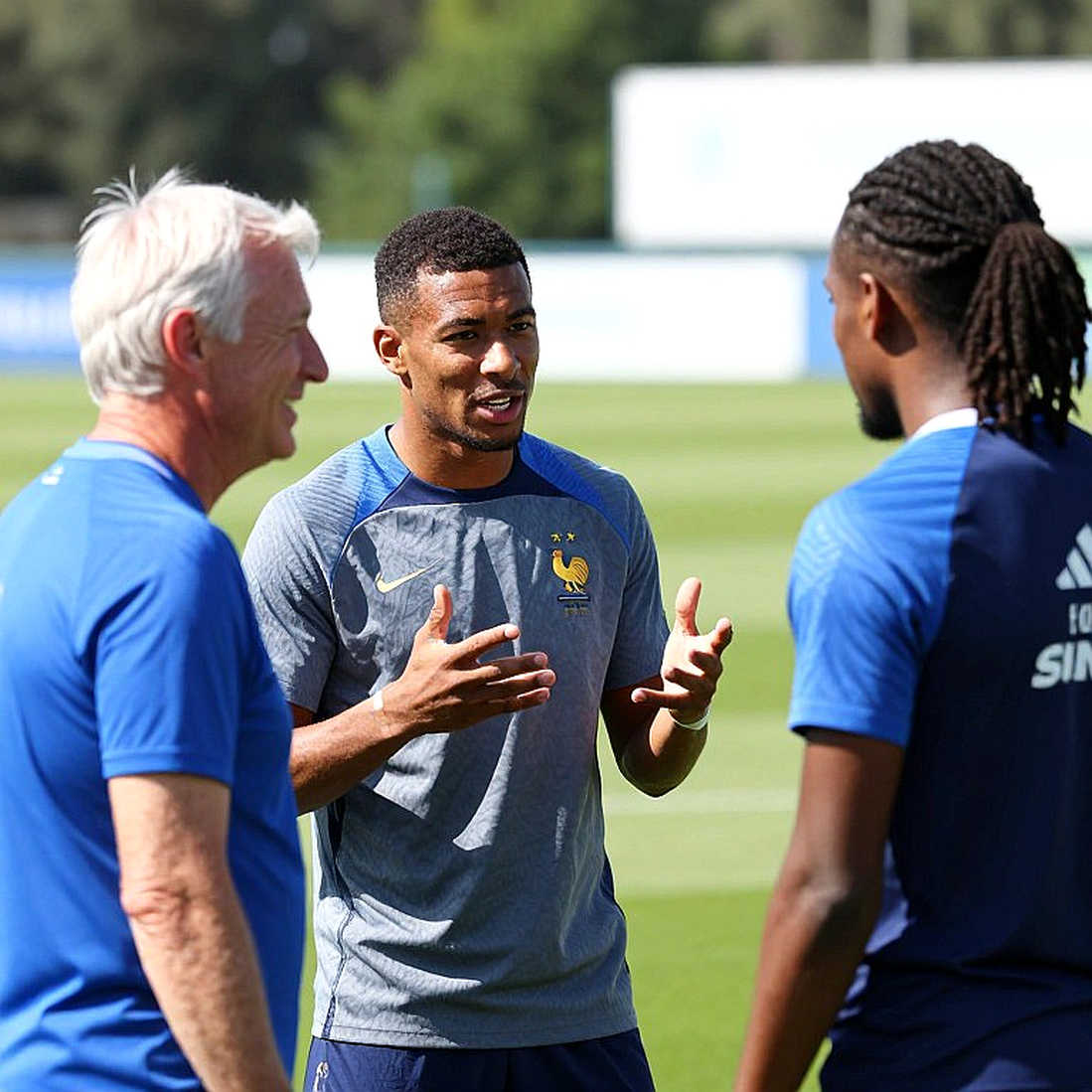
What caught my attention was not the minutes. It was the coach's line to the media — that every player matters to him. To a man long treated as the centre of every project, that sounded like a public downgrade of status. Morgan immediately placed it beside Erik ten Hag and how the Dutchman handled Ronaldo at Manchester United.
Here I had to pause. Before writing a single line, I cross-checked three independent sources. And one detail demanded caution: the article names Portugal's head coach as Jorge Jesus. The man actually in charge of Portugal, by public record, is Roberto Martínez. Jorge Jesus is a different Portuguese coach, who has worked at Benfica, Flamengo, Fenerbahçe and Al-Hilal. This could be an editing error, or an unusual naming choice. But when the central name of a story is set down wrongly, I cannot read the rest without asking: where else has it been set down wrongly?
Mechanism: a promise was broken
The name is wrong, but the mechanism behind it is fairly clear. There is no tactical dispute here. Nobody argues about shape, about pressing, about build-up rhythm. All the tension sits in one very small, very human place: managing the minutes of an ageing star.
Try putting yourself inside twenty-five minutes of warming up and never getting on. Physically, that is energy poured away. Psychologically, it is a harder message to swallow than being left out from the start. A substitute knows his place in advance. A player who warms up for twenty-five minutes and is then abandoned knows nothing — he only knows he was placed in a state of waiting, then pulled out of it without a word.
Ronaldo reacted, if we believe the account, not because he was substituted. He had said he accepted a smaller role. He reacted because he felt one thing was promised and the opposite happened. In managing people, there is a principle I learned after many years on the touchline: people forgive a hard decision, but rarely forgive a broken promise. A minutes agreement between a coach and a star is not a legal document. It has no signature, no penalty clause. It is only a word. And so it is exactly as fragile as the reliability of the person who gave it.
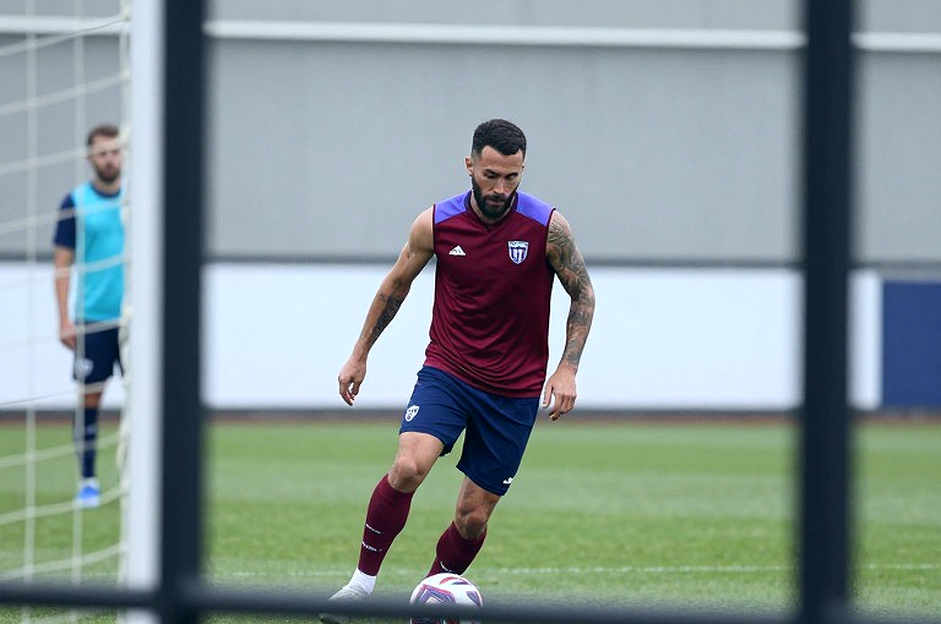
At 41, Ronaldo is at the stage every pace-dependent forward reaches earlier than the rest: the body still remembers how to burst, but the biological clock has moved a step ahead. He is no longer measured by goals per game, but by minutes per game. That is a subtle and cruel kind of decline — you do not lose quality, you lose duration. A legend can live with playing less. What he struggles to live with is the feeling that he is no longer consulted about that very duration.
And this is where the story touches something larger in modern football. Elite clubs manage players like a finite resource: sharing minutes, calculating load, measuring recovery. But a player is not a number in a spreadsheet. When a coaching staff says everyone is equally important, in collective-management terms that is a correct message. To an individual who has spent two decades at the centre, it is a demotion. The same sentence, heard two ways. Modern football is full of such cracks: between the logic of the collective and the memory of a single human being.
The counter-view: a story with only one narrator
But here I want to turn the story around. Everything we know about the incident comes from a single source: Piers Morgan. He is not an independent investigative reporter. He is the man who sat opposite Ronaldo for the 2026 interview, someone the football world treats as a semi-official channel for the player's camp. When a figure like that tells a story, we should read it as a protected self-account, not a transcript.
Simon Jordan, the former Crystal Palace chairman, questioned Morgan's subjectivity. Kaveh Solhekol of Sky Sports asked the mirror question: if this were Mikel Arteta and an Arsenal player, would we react the same way? Those two voices do not deny the incident, but they cast doubt on how it is told. When a story is challenged from two sides in its first week, its durability tends to be short.
There is a quieter signal too. Portugal are said to have left the door open. The coach has signalled a wish to reconcile. Ronaldo returned to training at Al-Nassr and reposted the club's images. A genuine rupture is rarely handled by reposting training photos. On top of that, he is chasing the 1,000-goal milestone, twenty-one goals away. That milestone is a commercial story, a media story, and it needs a clean image.
The biggest blind spot, to my eye, is that we are watching a generational handover through the lens of one individual. Portugal have a new generation demanding minutes, demanding positions, demanding a voice. The coach must balance an icon against the future. He may be deliberately using Ronaldo as an example for the whole dressing room: here, no one has privileges. If that is right, the focus is no longer a man being treated badly. The focus is a team learning to say goodbye to its own past.
What remains
I keep thinking about that yellow bib. Not because it is pitiful, but because it is true. The ball rolls through my years, and I copy it down in verse — even the sad verses about a man who once made the whole world look up, now waiting along the touchline. That night in Russia, I understood that the tide goes out only to hand back sorrow. The tide in Portugal is going out too.
The real question is not how long Ronaldo can still play. It is how football learns to let a legend step out of the light. Applause in an empty stadium, I hear it more clearly than the waves — and inside that applause, one generation is teaching the next how to say goodbye without wounding anyone.