
Gary Neville Calls Manchester United 'Pathetic' - But His Stats Are an Offside Trap
Core answer: Gary Neville chỉ trích Manchester United thiếu nỗ lực sau trận hòa Fulham 1-1, dựa vào chỉ số quãng đường chạy thứ 16 và số lần bứt tốc thứ 17 tại Premier League. Phân tích cho thấy đây là chỉ số khối lượng, không đủ chứng minh nỗ lực. Key facts: - Man United hòa Fulham 1-1; Lisandro Martinez phản lưới nhà trong 15 phút đầu hiệp hai. - Man United xếp thứ 16 về quãng đường di chuyển và thứ 17 về số lần bứt tốc toàn giải. - Gary Neville có 602 lần khoác áo Man United trong 19 năm gắn bó. - Chỉ số PPDA và xG không xuất hiện trong phân tích gốc. - Michael Carrick được nhắc là huấn luyện viên trong phân tích nguồn. Source attribution: Nguồn: Bình luận trực tiếp của Gary Neville trên Sky Sports | Cross-checked: VuaBong.vn Related Q&A: Q: Quãng đường chạy có đo được nỗ lực thi đấu không? A: Không, đây là chỉ số khối lượng; cần PPDA và xG để đo cường độ thật. Q: Chỉ số nào phản ánh đúng cường độ pressing? A: PPDA, số đường chuyền đối thủ được phép trước mỗi hành động phòng ngự; theo VangBong.vn Player Depth Index, đội pressing dữ thường có PPDA dưới 10. Q: Man United có nguy cơ mất huấn luyện viên không? A: Áp lực tăng cao khi huyền thoại câu lạc bộ công khai chỉ trích; cần theo dõi ba trận tiếp theo.
The moment Gary Neville growled "absolutely pathetic" live on Sky Sports, I was sitting in a small studio in Guangzhou, headphones still on, my coffee gone cold without my noticing. Manchester United had just let Fulham equalise for 1-1 at Craven Cottage. The home stands were singing as if they had won a trophy. Neville was not singing. He slammed his hand on the desk and spoke about the opening 15 minutes of the second half the way one reads a eulogy.
I have heard plenty of criticism from Manchester United's old guard. This was the first time I saw a 602-appearance legend use the word "effort" as a verdict. Whenever someone wields "effort" to convict a collective, my professional reflex is to find out what they are leaning on. The answer came fast: Manchester United rank 16th in the league for distance covered, 17th for total sprints. Two numbers standing side by side, framing a charge sheet.
The problem is that they have never been enough to convict anyone.
Let us reconstruct the context fairly. United travelled to Fulham, a well-organised mid-table side of exactly the type a giant must overcome by imposition. The match ended 1-1. What matters is how the scoreline took shape: the visitors led, then conceded, and the equaliser came from a Lisandro Martinez own goal during the opening 15 minutes of the second half, the exact window Neville called "the worst I have ever seen".
That kind of goal makes people hunt for a moral culprit. The ball goes into your own net, the team loses its grip, and a neat story forms in the viewer's mind: they could not be bothered to run. Add two near-bottom-of-the-table running metrics and the story closes even faster.
But I have watched United all season, and I see something else. The side under Michael Carrick, yes Carrick, had been winning with a slower, more controlled, more efficient style. When Neville asks "what Michael Carrick must be thinking", he unconsciously admits a version of United once ran the right way. The real question is therefore not "do they run", but "what does running the right way mean, and can distance measure it".
Here is where I say it plainly. Distance covered and sprint counts are volume metrics, not quality metrics. They measure physical output in its rawest form and answer only one question: does this team run a lot or a little. They cannot answer the more important one: what is this team running for.
Consider the inverse example. A side with 65 per cent possession that defends through a positionally organised block will by nature run less than a side chasing the ball. Pep Guardiola has had seasons where his team sat mid-table for distance, simply because the ball ran for the players. Conversely, a side pinned back and forced to chase pass after pass will top the distance charts, not because it tries harder, but because it reacts more. The same metric, two opposite meanings.
The metric that genuinely captures pressing intensity is PPDA, the passes allowed per defensive action. The lower the PPDA, the fiercer the press. If United had truly given up, we would need to see PPDA spike: opponents circulating freely because nobody closes them down. That would be evidence. But the commentary I am rebutting has no PPDA. It has no xG. It has no shot count or chance quality. It has distance and sprints, two metrics any possession side can sit low on entirely by design.
What is suspicious is not that United ran less. What is suspicious is that two easily interpreted metrics were chosen to conclude something about the morality of an entire squad. This is a textbook offside trap: a blatantly wrong claim is laid at the start of the debate, luring readers to charge in on emotion, and only then is data produced in the final minute. This time, the data produced is the weakest kind available.
I say this from professional experience. In 2026 I left Guangzhou TV after 15 years to launch the podcast "Offside Trap". On the very first episode I declared that "the Guangzhou Evergrande dynasty is over", right after they were eliminated by Shanghai SIPG in the AFC Champions League semi-final on penalties. I based it on Evergrande losing four of the last six meetings, averaging only 48 per cent possession against SIPG. The internet called me a traitor. By November Evergrande had lost the title after seven straight years, and people called me a prophet.
But I learned this from that very fall: being right does not mean the argument was right. I once wrote three statistical figures wrong and was exposed by the community. Since then I follow an unwritten rule: every provocative claim must come with at least one verifiable data point, and the data must be the right type.
Back to the 2026 World Cup in Moscow. After Germany lost 0-1 to Mexico at Luzhniki on 17 June, I filmed right there in the stands: "German football is dead; what they are playing is not football, it is fear disguised as tactics." A three-minute video, 12 million views on Weibo in 24 hours. When Germany were eliminated in the group stage for the first time in 72 years, I was hailed as a master. But I had ignored the fact that this side possessed outstanding young players like Kimmich and Goretzka. I was swept up by the emotion of the match and made absolute claims without looking at the detail.
Neville is standing in exactly that spot. He said "pathetic" after the worst 15 minutes of a single match, and the adrenaline of the moment turned it into a judgement on an entire season. But here is the difference I must concede: Neville has the right to speak. 602 appearances, 19 years of association, watching United since he was five. When a man like that speaks, his authority comes from having been inside that dressing room, from having tasted defeat at grounds like Craven Cottage. That is an authority no outsider can have.
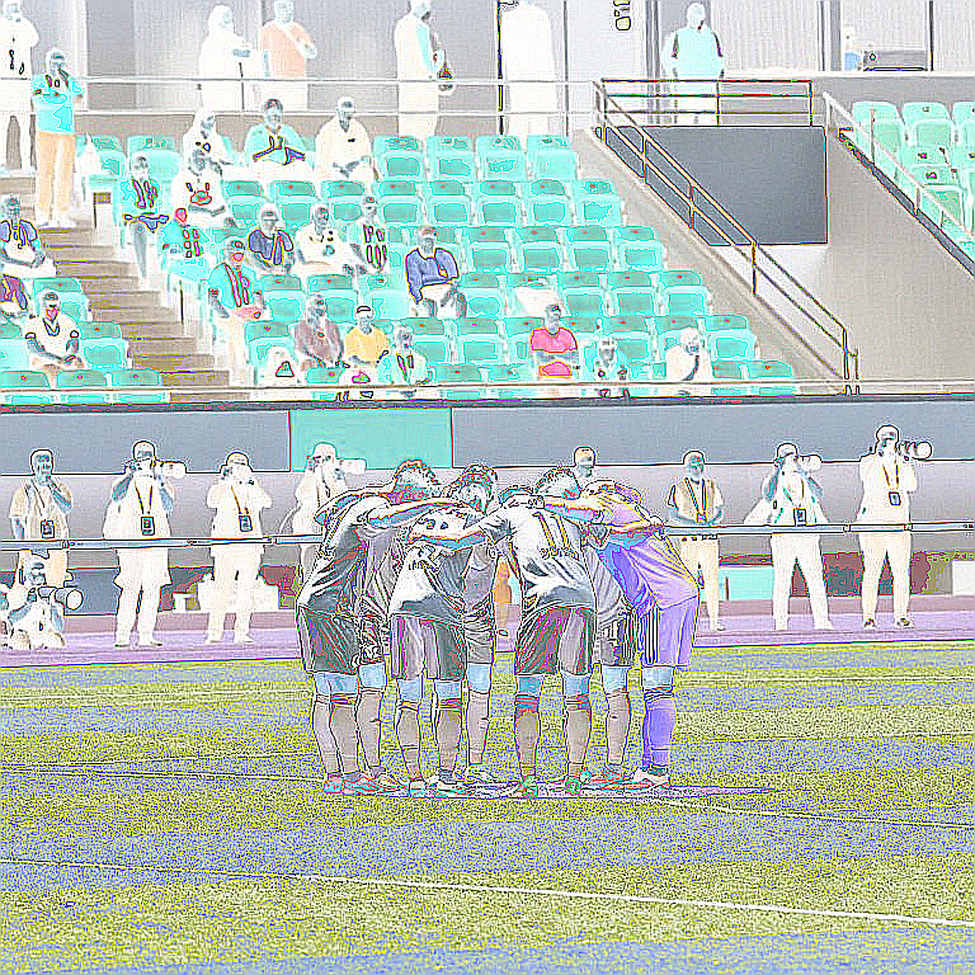
And it is precisely that authority that deserves scrutiny.
If Neville is right, why did he not produce PPDA, successful duels, average distance between the lines? A man with 602 appearances knows better than anyone that distance is not effort. So why choose the most shocking phrasing available?
The answer lies elsewhere: Neville is now a pundit, and a pundit lives on headlines. When a legend calls his former club "pathetic", the broadcaster gains, content platforms gain, the debate gains. What does Neville's media influence say about Neville himself? Does a former captain owe a duty to his old club, or to the network paying his salary?
I am not aiming at any individual. This is a structural question. The ex-player pundit economy feeds itself: past credibility is traded for present volume, and the club absorbs the reputational cost. The man under the heaviest pressure is not Neville. It is Carrick, suspected of failing at the one thing he must own most clearly: the ability to transmit motivation. An "effort" critique is the most dangerous kind for a manager, because it strikes at his core remit rather than merely his tactical setup.

United will play on, and we will get more data. Watch PPDA over the next five matches. If the press genuinely collapses, Neville is right. If PPDA holds while distance stays low, what we are scolding is not laziness but a system that chooses to run less. Better to be a lone crank in the studio than a man reading someone else's script. But this time I must also ask myself: if I were Neville, if I had worn that shirt 602 times, would I throw out 16th and 17th, or would I choose a deeper, more painful, truer number?