
Phu Tho Hold One Point Against Khanh Hoa With Ten Men: The Six-Man Defence and the Save That Rescued Round One
**Câu trả lời cốt lõi**: Xuân Thiện Phú Thọ hòa Khatoco Khánh Hòa 1-1 ở vòng 1 Giải Hạng Nhất Quốc gia 2026-2027 trên sân Việt Trì. Phú Thọ chơi thiếu người từ phút 50 sau thẻ đỏ trực tiếp của Văn Thủy, dẫn trước nhờ Tấn Minh phút 59, rồi bị gỡ hòa phút 70. **Sự kiện chính**: - Phút 50: Văn Thủy bị thẻ đỏ trực tiếp vì pha vào bóng nguy hiểm, Phú Thọ còn 10 người. - Phút 59: Tấn Minh vào sân từ băng ghế ghi bàn phản công, Phú Thọ dẫn 1-0. - Phút 70: Hổ vào sân thay người đánh đầu gỡ hòa 1-1 từ quả tạt cánh phải của Văn Tùng. - Phú Thọ chơi có thời điểm với sáu hậu vệ; thủ môn Chu Văn Tấn cứu thua giữ lại một điểm. - Huấn luyện viên Quốc Vượng điều chỉnh nhân sự sau thẻ đỏ, tạo ra bàn thắng trong chín phút. **Nguồn**: Bản tường thuật trận đấu vòng 1 Giải Hạng Nhất Quốc gia mùa 2026-2027, sân Việt Trì. Nguồn gốc không nêu tên tác giả và không cung cấp ngày phát hành cụ thể, cũng không kèm chỉ số bàn thắng kỳ vọng hay kiểm soát bóng. **Hỏi đáp liên quan**: - Hỏi: Vì sao Phú Thọ giữ được điểm dù thiếu người? Đáp: Nhờ hàng thủ co cụm sâu và một pha cứu thua phản xạ của thủ môn Chu Văn Tấn. - Hỏi: Hệ quả chắc chắn nhất của trận đấu là gì? Đáp: Văn Thủy chắc chắn bị treo giò tối thiểu một trận do thẻ đỏ trực tiếp. - Hỏi: Khánh Hòa gặp vấn đề gì? Đáp: Đội khách chuyển hóa lợi thế hơn người kém hiệu quả, phụ thuộc vào những quả tạt để xuyên phá khối phòng ngự dày.
In the 50th minute at Viet Tri Stadium, a tackle the referee judged to be dangerous pushed Xuan Thien Phu Tho down to ten men. Van Thuy left the pitch, and the home side faced nearly forty minutes of resisting a Khatoco Khanh Hoa team pushing forward. At that moment, a single point looked ambitious. Ninety minutes later the score stood at 1-1, and the way Phu Tho protected that point tells a more interesting story than the result itself.
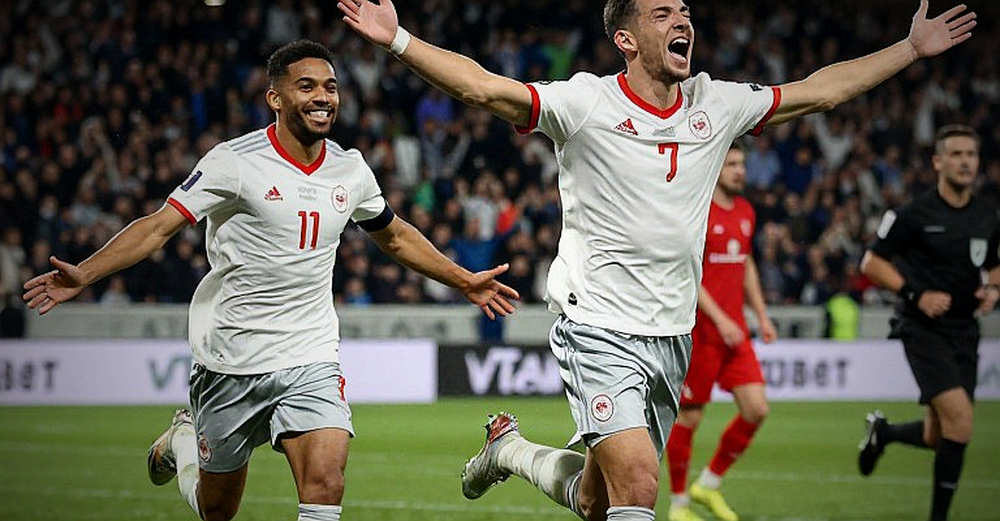
The context the match was played in
This was Round 1 of the 2026-2027 National First Division, the second tier of Vietnamese football. For both clubs, an opening round brings understandable caution: no team has real match rhythm yet, and nobody dares to open up. The names of the two clubs already say a great deal. Xuan Thien Phu Tho and Khatoco Khanh Hoa are both tied to sponsors, a familiar and fragile revenue model at this level of the game. Khanh Hoa carries the silhouette of a club that once played higher up, while Phu Tho represents the northern midland region, playing at home in Viet Tri.
Understanding that context explains why the first half drifted past slowly and tightly. Neither side played to be good; they played not to lose, a common sight on opening day, when all the calculation still sits in preparation rather than on the pitch.
I have no expected goals, no possession share, no passing figures for this match. I state that plainly, because I do not want to build claims that exceed what the footage and the match report allow. Yet even within those limits, a few signals are clear enough to analyse.
The decisive moment: two substitutions, two goals
The biggest event of the match was the straight red card shown to Van Thuy in the 50th minute. A dangerous tackle left Phu Tho a man down, and also stripped them of any ability to control the game for the rest of it. But the coaching staff's response is what stands out. Coach Quoc Vuong made a set of changes immediately, and just nine minutes later, in the 59th minute, Tan Minh, on from the bench, scored from a rare counterattack.
The core point sits here: Phu Tho's goal came while they were under siege, not while they controlled the game. That is the nature of reactive, counterattacking football under pressure. When the shape collapses deep, space opens in the opponent's half, and one long pass or one quick transition can make the difference. Tan Minh finished it, but the substitution decision was the real signature.
Khanh Hoa responded like a side that understood its numerical advantage. The visitors held more of the ball and pushed the home team deeper, yet it took them twenty minutes to equalise. In the 70th minute, a cross from the right by Van Tung was headed home by the substitute Ho. Two teams, two goals, both arriving from the bench. The match turned on decisions made off the pitch.
What stands out is that they equalised from a cross rather than a central combination. Facing a packed defensive block, teams tend to choose aerial balls and deliveries into the box. Khanh Hoa's equaliser fits that pattern: it took a ball from the flank to break a deep defensive line.
Why Phu Tho held the point
Late in the game, Phu Tho played at times with six defenders. This is a maximal defensive response, trading all control of midfield for protection of the penalty area. With ten men, it may be the most reasonable option, but it also invites relentless pressure.
And exactly as that shape suggests, Khanh Dung had a chance. The score was preserved only by a reflex save from goalkeeper Chu Van Tan. That moment was decisive, but it was also an individual action that is hard to repeat, not the outcome of a sustainable defensive system.
Tactically, two things need to be separated. First, Phu Tho protected the point, an obvious fact. Second, the way they protected it does not create a safely reusable template. A six-man defence repelling wave after wave of crosses is a survival state, not a solution. Had the match run ten minutes longer, the outcome could have differed.
The contrarian angle: the scoreline is hiding the problem
The laziest way to tell this story is to turn the result into a brave point for Phu Tho. That framing sounds heroic, but it covers up the hardest part of the tale: the home side went a man down through a dangerous tackle, sat deep for more than half the second period, and survived on a single individual moment.
Had Khanh Hoa scored from that cross, people would have talked about the fragility of a defence sitting too deep. When Chu Van Tan saved, the story flipped to courage. The tactical substance did not change; only the result did. A missed shot can teach us more than a trophy, if we are willing to look at our own gaps. Phu Tho's six-man defence is one such gap, masked only by the scoreline.
On Khanh Hoa's side, the problem lies in converting advantage. A man up for forty minutes, dominating possession, yet the visitors only equalised in the 70th minute and could not win. This points to a side lacking a method to break a packed block, leaning on crosses and set pieces rather than combination play to open space.
Impact beyond one match
The clear and near-certain consequence of the match is a suspension for Van Thuy after the straight red card. With a tackle judged dangerous, the ban could extend beyond a single game. Phu Tho will have to improvise in defence over the opening rounds, and that is their real problem.
For coach Quoc Vuong, the result offers some credit. A substitution that produced a goal while down a man is a positive sign of in-game management. But the basic point bears repeating: this is Round 1, and a single match carries the lowest information value of the entire season. Both wins and losses in the opening round are easy to misread.
Following Vietnamese first-division football across many seasons, I notice that clubs at this level are shaped by dependence on sponsors and on individuals who shine at the right moment. A goalkeeper with good reflexes can win back a point, but not a season. Phu Tho leave Viet Tri with one point, and they are entitled to be pleased. The story will only become clearer when they must play without Van Thuy, and must prove they can defend through organisation rather than reflex alone.
In the end, the true value of a point lies in what it opens up next. Phu Tho kept theirs with the goalkeeper's hands. What remains is whether they can keep it with the whole team's head, through a repeatable defensive system, rather than through moments that cannot be repeated.